Bulletin · Euro Weeks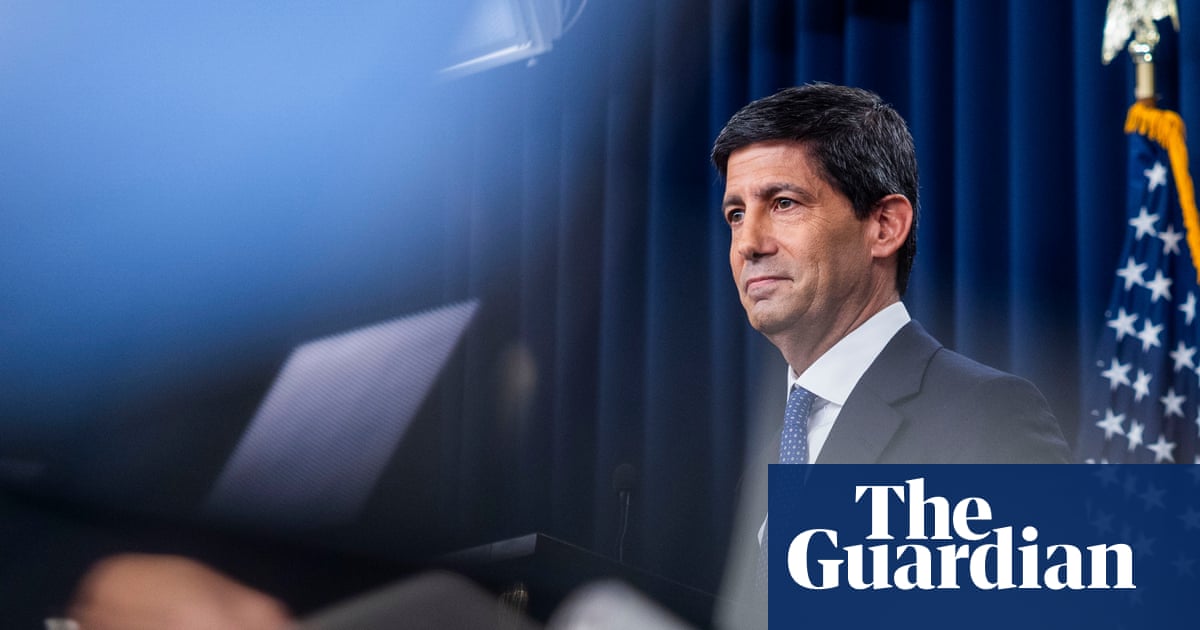
In the end, Kevin Warsh’s Federal Reserve acquitted itself well. For all the uncertainty he had sparked at the previous meeting of the Federal Open Market Committee, when he refused to provide any indication of what he was prepared to do to tame stubborn inflation, the chair on Wednesday presided over a unanimous decision to raise interest rates for the first time in three years. “Today’s action starts to show that we’re serious about this,” he said at the press conference after the meeting, with “this” meaning inflation in excess of the Fed’s 2% target for over five years.
Welcome though it was, his embrace of economic orthodoxy nonetheless did little to dispel the Keystone Cops quality of governance in Donald Trump’s US. Warsh’s resolve – raising rates just a few weeks before elections that will determine whether Republicans retain control of Congress – appeared even more resolute in the face of a veiled threat from White House economic adviser Kevin Hassett, who pointed out to his chums on Fox that “if you want an independent Fed, then one thing the Fed does is it stays out of the way of elections”. The central bankers’ parsimonious comments in the press conference following the meeting made a sharp contrast with the more unhinged commentary from other members of the administration, including the president himself, who earlier this month celebrated the resilience of the labor market with a mind-boggling threat to “STOP TRADING WITH COUNTRIES WITH WHICH WE HAVE A DEFICIT” unless the Fed cut interest rates.
Trump has yet to turn on Warsh in the way he did on his predecessor, Jerome “ numbskull ” Powell. But the signs are ominous. After the rate hike, Trump went ballistic – spewing more of the random, incoherent thoughts that have become his trademark.
“Interest Rates in the United States should be 1%, or less, because we are the Best Credit in the World,” he wrote on social media, despite recalcitrant inflation and a budget deficit that is likely to exceed $2tn this year. He again demanded the powers that be to “LOWER THE INTEREST RATES FOR THE UNITED STATES OF AMERICA, AND FAST!” Yet more significant than the contrast between Warsh’s words and the incongruent economic rhetoric from the White House is the tension between the Fed’s decision on Wednesday and pretty much every other initiative from the administration, from the volley of tariffs against imports from everywhere to the war in Iran to Trump’s “promise” of $5,000 a head if he wins the midterms to treasury secretary Scott Bessent’s desperate efforts to pull interest rates down even as the Fed is raising them. All things considered, financial markets reacted relatively calmly to the day’s events.
For sure, the S&P 500 index took a nosedive on Wednesday afternoon, closing some 0.4% lower at the thought that the Fed would likely now raise rates again in December and twice in 2027. The yield on the 10-year bond rose sharply, again surpassing 5%. But investors appear to have bought – for now at least – that whatever deranged policies may emerge from the rest of the administration, monetary policy will remain comparatively sane.
Investors should probably remain on their toes, though. A rational Trump would probably thank Warsh for his hawkishness. There might be a plausible argument to keep rates where they were because inflation is driven by temporary forces, like a war.
Yet had the Fed staid its hand, or – goodness forbid – cut rates as the president has demanded, the bloodbath in the treasury market would have been gruesome, as investors were forced to accept that the chair of the central bank would not stand up to the nut who appointed him. By contrast, by raising rates and demonstrating he is serious about curbing inflation, the Fed is likely to calm market jitters and reduce long-term inflation expectations, which will ultimately redound in lower yields on treasury bonds, allowing for lower interest rates on mortgages and other long-term loans that matter to businesses and consumers. More clown cars are likely on the way.
In his fury on Wednesday, Trump again threatened to stop trading with countries that have a surplus with the US – a proposition so devoid of sense that it is hard to comprehend, let alone critique. The war in Iran is likely to continue throughout the administration, bringing more volatility to energy markets. Even Bessent seems to be losing his hold on reality.
Vexed over rising treasury yields – which are raising the cost of servicing the government’s Brobdingnagian debts – the man whom markets believed would play the role of adult in the Oval Office on matters of economic policy has started to emulate the desperate government officials he once pummelled into submission. Bessent built a reputation in financial circles in 1996 as part of the team built by George Soros and Stanley Druckenmiller that pushed the British pound out of the European Exchange Rate Mechanism. They made a tidy profit by teaching hapless British ministers that however many pounds they bought to defend the exchange rate, they could never overcome a market determined to sell.
Today, Bessent has taken the losing side of that trade, betting that he can buy enough treasuries to bring long-term interest rates down. The Fed on Wednesday likely helped Bessent’s cause. Still, the peculiar image of a central bank raising interest rates while the treasury secretary resorts to gunslinger tactics to lower them won’t restore trust in the creditworthiness of the United States. (“I am the house,” he proclaimed, hoping to achieve a steely gaze, rhetorically twirling and reholstering his revolver.
“You can bet against me if you want.”) Can an unexpectedly solid Fed chair stabilize the ship of an American economy discombobulated by slapstick policymaking? Here’s hoping. But holding one’s breath may be a bad idea.
Eduardo Porter is a journalist focused on economics and politics. He writes the newsletter Being There on Substack
Source: The Guardian